If you are expecting 2000 direct deposits in January 2026 or a one-time $2,000 payment, this guide explains how eligibility, timing, and beneficiary rules usually work and what steps to take to confirm or claim your funds.
Eligibility for 2000 Direct Deposits January 2026
Eligibility rules depend on the agency or program issuing the payments. Typical requirements include residency, income limits, tax filing status, or receipt of a qualifying benefit.
- Citizenship or lawful residency as required by the issuing agency.
- Income thresholds or tax filing status for the relevant tax year.
- Enrollment in an eligible program (for benefits-based payments).
- Correct banking details on file with the payer.
Always confirm eligibility with the official program notice or the issuing agency website before assuming you qualify.
Timeline for 2000 Direct Deposits January 2026
Processing windows and deposit dates can vary by payer and bank. Below is a practical timeline to expect when payments are scheduled for January 2026.
- Announcement and eligibility lists: Late December to early January.
- Batch processing by payer: Early-to-mid January in several waves.
- Bank posting: 1–5 business days after the payer initiates the transfer.
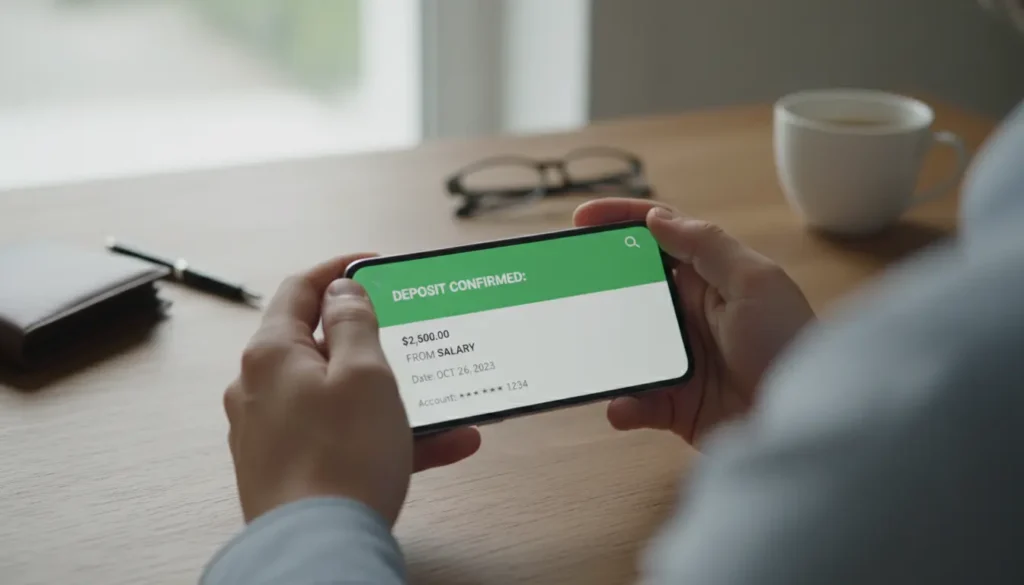
- Notification: Many banks send alerts or show a pending credit before final posting.
How 2000 Direct Deposits January 2026 Are Processed
Payers use ACH or bank-to-bank transfers in batches. Once the payer releases the batch, your bank receives settlement instructions and posts the deposit based on its cut-off times.
Weekends and federal holidays add delays. If a deposit is scheduled for a weekend, most banks post it on the next business day.
What to check before January 2026
Confirm these items to avoid delays or returned payments.
- Direct deposit details on file (routing and account numbers).
- Correct name and SSN/Tax ID that match payer records.
- Bank account status—closed accounts will cause returns.
- Contact information so the agency can notify you of issues.
Beneficiary Rules Updated for January 2026
Recent updates to beneficiary handling commonly affect how automatic payments are redirected if a primary recipient cannot receive funds.
- Joint accounts: Deposits typically go to the account regardless of the named beneficiary, but rules vary by payer.
- Authorized representatives: Agencies may deliver funds to an authorized representative or payee with proper documentation.
- Deceased recipients: Payments must be stopped or redirected; executors typically need to provide a death certificate and follow the payer’s estate procedures.
To change or confirm beneficiary designation, contact the payer early and prepare required documents such as ID, power of attorney, or court orders.
Practical steps to update beneficiary information
- Find the payer’s official beneficiary or payment policy online.
- Gather documents: government ID, SSN, power of attorney, or death certificate as needed.
- Submit forms directly to the issuing agency—do not rely only on bank updates.
- Request confirmation in writing or a secure message from the agency.
Most direct deposit transfers clear faster than paper checks and are traceable through the payer’s payment lookup tools. A trace can show whether a transfer left the payer and when the bank received it.
What to do if you don’t receive a 2000 direct deposit in January 2026
Follow a step-by-step approach to resolve missing payments. Start by checking your bank account and communications from the payer.
- Confirm the payment was issued: Use the payer’s online payment lookup or call their customer service.
- Check bank pending items and recent transactions, including holds or returns.
- Ask the payer to initiate an ACH trace if the payment appears missing; traces usually take several business days.
- If the payment was returned, find out whether the reason was wrong account info, closed account, or other error.
Keep records of your calls, confirmation numbers, and any forms you submit. This documentation speeds up resolution and any appeals.
Case study: Quick resolution example
Maria expected a 2000 direct deposit on January 8, 2026. On January 9 she saw no deposit and followed these steps:
- Checked her bank: no pending credit and the account was active.
- Used the payer’s payment lookup and saw her status marked as “issued” on Jan 7.
- Contacted the payer; they initiated an ACH trace the same day.
- The trace showed the transfer hit her bank but was returned for a routing number mismatch. Maria corrected her routing number with the payer and received the deposit five business days later.
This case shows the importance of verifying account details and using formal traces when a payment is missing.
Quick checklist before January 2026 deposits
- Confirm eligibility with the official issuer.
- Verify direct deposit information and beneficiary designations.
- Save official notices and reference numbers.
- Know how to request a payment trace or dispute.
Following these steps will help you prepare for 2000 Direct Deposits January 2026 and handle any issues quickly. When in doubt, contact the issuing agency directly and keep a clear record of communications.