Overview of the IRS Announces $1390 Direct Deposit Relief Payment For January 2026
The IRS announced a direct deposit relief payment of $1,390 to eligible recipients scheduled for January 2026. This guidance explains how the payment is expected to be delivered and what recipients should do to prepare.
Below you will find practical steps, qualifications, and troubleshooting tips to help you understand and access the payment quickly and safely.
Who May Qualify for the IRS Announces $1390 Direct Deposit Relief Payment For January 2026
Eligibility depends on the specific relief program the IRS is administering. Typical qualifying groups include low- and moderate-income households, Social Security recipients, and other designated categories set by Congress or the Treasury.
Check official IRS announcements for exact income limits and qualification rules. If you file taxes or receive federal benefits, you may already be in the IRS system for direct deposit.
Common eligibility indicators
- You filed a federal tax return in the most recent tax year.
- You receive Social Security, SSI, or other federal benefit payments.
- Your adjusted gross income falls within program limits announced by the IRS.
How the IRS Announces $1390 Direct Deposit Relief Payment For January 2026 Will Be Delivered
Payments will generally be sent via direct deposit to bank accounts the IRS already has on file. The agency may also mail paper checks or prepaid debit cards to those without direct deposit information.
Timing is expected in January 2026, but exact dates can vary by recipient group and payment method.
What to expect in your bank account
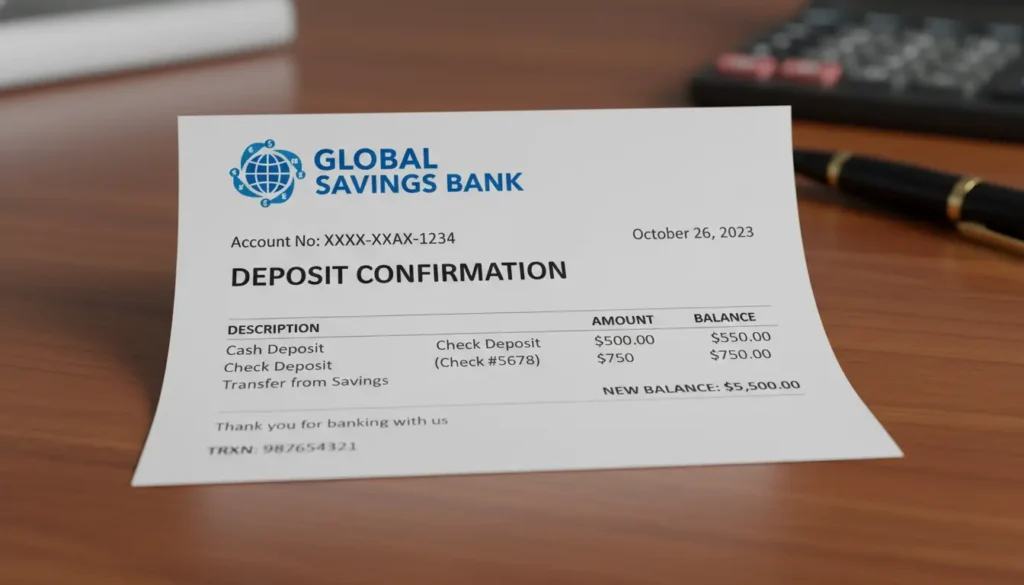
- Payment description: The deposit will usually appear with an IRS-related memo or a brief description that includes a program identifier.
- Daily posting: Banks may take 1–2 business days to post the deposit after it arrives.
- Notification: You may not receive a mailed notice if you receive a direct deposit. Check your bank statements or online accounts.
Steps to Confirm or Update Direct Deposit Information
Make sure the IRS has the correct banking details to avoid delays. Use official IRS online tools or your federal benefits portal to check and update this information.
Here are practical steps you can take now to reduce the chance of issues:
- Log in to your IRS online account or the benefits portal you use (Social Security, VA, etc.).
- Confirm that the bank routing and account numbers are current and active.
- If you need to change details, follow the portal’s secure update process well before January.
- Keep a copy of confirmation or screenshots after any updates.
The IRS often uses existing tax records and benefit account details to deliver direct deposit payments, which is why keeping your online profile current speeds up receipt of relief funds.
How to Check Payment Status for the IRS Announces $1390 Direct Deposit Relief Payment For January 2026
Use official IRS online tools to check the status of relief payments. The IRS will typically post updates or a status checker on its website when payments begin.
If you don’t see a payment, check these places first:
- Your online IRS account (if you have one)
- Your federal benefits portal (Social Security or others)
- Your bank or credit union transaction history
When to contact the IRS or your bank
If your bank shows no deposit after the IRS shows a payment sent, contact your bank first. If the IRS tool shows no record of a payment and you believe you qualify, contact the IRS help line or use the IRS online contact options.
What to Do If You Don’t Receive the Payment
If you expected the payment and do not receive it by the projected timeline, follow these steps:
- Verify your eligibility based on IRS criteria announced for this relief payment.
- Confirm your direct deposit information is correct in IRS or benefits portals.
- Check whether a mailed check or card was sent instead of direct deposit.
- Contact your bank and then the IRS if necessary, using official contact numbers only.
Common reasons for non-receipt
- Incorrect or outdated bank account information
- Change in eligibility after the most recent tax return
- Mailing delays for paper checks or cards
Tax and Reporting Considerations
The tax treatment of relief payments can vary by program. The IRS will provide guidance on whether the payment is taxable or excluded from income.
Keep records of the deposit and any IRS notices. If you receive a payment in error, follow IRS instructions for reporting or returning the funds.
Small Real-World Example: Case Study
Maria, a retired teacher, was enrolled for Social Security direct deposit. After hearing about the announced $1,390 relief payment, she checked her Social Security online account and confirmed her bank routing and account numbers were up to date.
On January 12, 2026, her bank posted a deposit labeled with an IRS reference. Maria saved the bank notice and looked up IRS guidance to confirm whether she needed to report the deposit on her taxes. She followed official IRS updates and kept documentation in case she needed proof later.
Practical Tips and Safety Reminders
Scammers often use relief payments as a lure. The IRS will never call to demand personal information or ask for payment to receive a relief deposit.
Follow these safety tips:
- Only use official IRS websites (irs.gov) and secure government portals.
- Do not respond to unsolicited calls, texts, or emails asking for bank details.
- Verify any notice by logging directly into your official IRS or benefits account.
Final Checklist Before January 2026
- Confirm eligibility by reading the IRS announcement and your benefit notices.
- Verify or update direct deposit information in official portals.
- Save confirmation records after you update any account details.
- Monitor your bank account and official IRS pages for payment notices.
Following these steps will help you receive the IRS $1,390 direct deposit relief payment smoothly. If you remain uncertain, contact the IRS through its official support channels for the latest, program-specific guidance.