
Many households are watching headlines about a possible $2,000 stimulus check in 2026 tied to former President Trump’s proposal. This article explains, in practical terms, what is public and what remains unclear right now.
Overview of the $2,000 Stimulus Check in 2026 proposal
The proposal discussed publicly calls for a one-time or periodic direct payment of $2,000 to eligible Americans. Officials and spokespeople have described the goal as boosting consumer spending and providing immediate relief to families facing higher living costs.
At present, the key points that are known are high-level: the amount being discussed ($2,000), the intention to provide broad relief, and that any payment requires congressional action to become law.
What the proposal includes (public statements)
- A $2,000 payment amount per eligible person or household (public statements use the per-person figure most often).
- An intention to send funds quickly once authorized, using existing federal payment systems.
- A focus on immediate economic stimulus and household relief.
How a $2,000 Stimulus Check in 2026 would likely be implemented
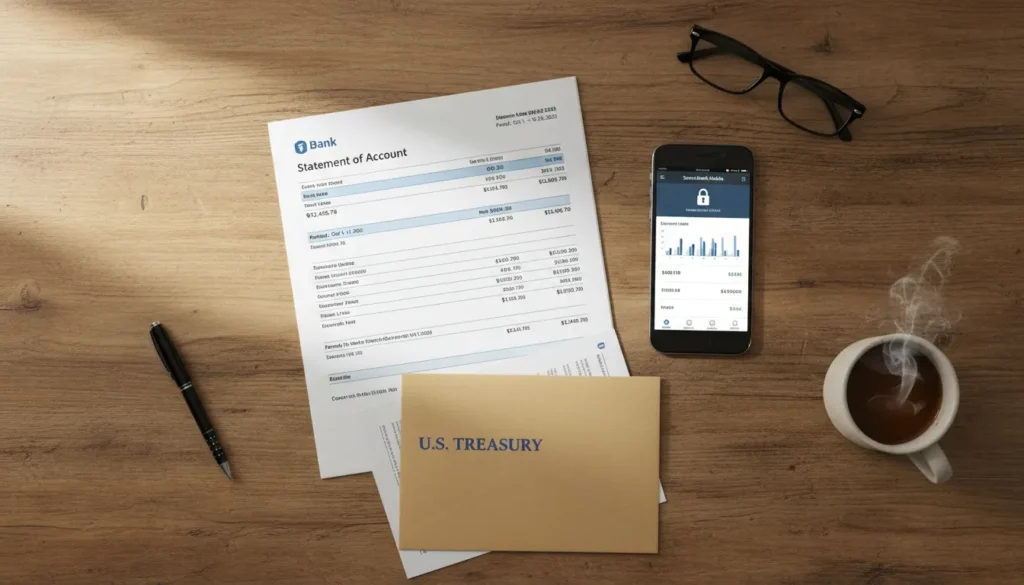
Direct payments in recent years have been sent by the Internal Revenue Service (IRS) using tax records, Social Security files, and the Treasury’s Payment Integration. If Congress approves the measure, the federal government would probably use those same systems.
Key implementation steps would include:
- Passing a law authorizing the payments and appropriation of funds.
- Directing an agency (typically Treasury/IRS) to compile recipient lists and distribution methods.
- Issuing payments by direct deposit, paper check, or debit card for people without bank accounts.
Eligibility and targeting: what to expect
Public statements have not provided complete eligibility rules. Likely design choices include broad universal payments, income phaseouts, or targeted payments to specific groups such as low-income households or retirees.
Common possible eligibility rules include:
- Payments to all adults with a Social Security number.
- Phaseouts above certain adjusted gross income (AGI) thresholds.
- Automatic payments for Social Security recipients and people who filed recent tax returns.
Cost estimates and budget impact
Any $2,000 payment will carry a substantial budget cost. A simple estimate helps explain scale: multiply $2,000 by the number of adults or qualifying recipients.
Example rough estimates:
- If 160 million adults receive $2,000 each, the gross cost is about $320 billion.
- If payments are limited to 100 million households, the cost would be about $200 billion.
These are rough numbers and do not include administrative costs, offsets, or targeted phaseouts that would reduce the total.
Political and legislative hurdles
A presidential proposal alone cannot create payments. Congress must draft, pass, and fund the measure. That involves committee hearings, House and Senate votes, and possibly conference negotiations on the bill text.
Key considerations include:
- Which party controls the House and Senate and their willingness to pass a large payment.
- Whether lawmakers attach the payment to larger budget or reconciliation bills.
- Public and business reaction, which can shape legislative support.
Timeline expectations
A fast-track timeline might still take weeks to months between a proposal and actual payments because of drafting, negotiation, and agency setup. If Congress acts quickly and uses existing payment systems, distribution can be faster than creating a new program.
Who could be affected: a small case study
Case study: Maria, a single parent working part-time with an annual income of $32,000, lives in a rented apartment and covers groceries, childcare, and utilities on a tight budget.
If Maria receives a $2,000 payment, she could use it to cover two months of rent, pay down a medical bill, or build a small emergency fund. For many households like Maria’s, a one-time payment would provide short-term relief, but not long-term stability.
Practical steps you can take now
While the policy is debated, you can prepare for any direct payment by taking practical steps that reduce delays and errors when payments are issued.
- Make sure your tax filings are up to date and your mailing address is current with the IRS.
- Confirm Social Security or Veterans Affairs payment information if you receive benefits.
- Sign up for IRS electronic delivery and have direct deposit set up to receive funds faster.
- Keep documentation handy in case agencies require verification.
The last major federal direct payments in the U.S. were distributed in 2021, with most adults receiving payments of up to $1,400 under COVID-era legislation. Direct payments have been used before during economic slowdowns as a quick fiscal tool.
Bottom line: what is certain and what is not
What is certain: the $2,000 figure has been presented publicly as a target amount, and any payment requires congressional approval and appropriation. Payment systems already exist and would likely be used to distribute funds.
What remains uncertain: exact eligibility rules, timing, whether the payments would be one-time or recurring, and how lawmakers will offset or fund the cost. These details will be decided during the legislative process.
Keep an eye on official announcements from the White House, Treasury, and Congress for updates. If you rely on this potential payment, prepare by ensuring your tax and benefit records are current and by having a plan for how you would use one-time funds most effectively.