Reports of a $2,000 IRS direct deposit have led many taxpayers to search for clear, practical guidance. This article explains sensible steps to confirm eligibility, the likely timeline for payments, and actions you can take now to make sure a legitimate deposit reaches your account.
January 2026: $2,000 IRS Direct Deposit Rules
The IRS issues different types of payments: tax refunds, credits, and special legislative payments. If you are expecting a $2,000 direct deposit in January 2026, the exact rules depend on the program sending the money.
Basic rules that commonly apply to IRS direct deposits include having a valid taxpayer identification, a completed tax return (or qualifying enrollment), and accurate bank account details on file with the IRS.
Who typically qualifies for direct deposits
- Taxpayers who filed returns and chose direct deposit for refunds.
- Recipients of refundable tax credits who provided bank information.
- People enrolled in an authorized IRS payment program tied to legislation or automatic credits.
To confirm your situation, check the IRS website or your official IRS account. Official channels will state the qualifying criteria for any announced program.
Timeline for $2,000 IRS Direct Deposit
Exact timing varies by program, but here are general timing guidelines you can expect for a direct deposit from the IRS.
- Announcement and eligibility window: The IRS or Congress usually announces a program and sets eligibility dates before payments begin.
- Processing period: Once the IRS has necessary records, direct deposits commonly arrive within 7 to 21 business days after payment processing.
- Notifications: The IRS often posts status updates on online tools, and some taxpayers receive mailed letters or online alerts.
Keep in mind that newly enacted payment programs may be implemented in phases, with earlier groups receiving deposits first.
How to Secure Your 2000 IRS Direct Deposit
Follow these practical steps to reduce delays and protect your payment.
1. Verify your eligibility and official guidance
Check IRS.gov or your IRS online account for official announcements. Avoid relying on social media posts unless they link directly to IRS pages.
2. Confirm bank account details
If you filed a recent tax return, confirm the routing and account numbers used for direct deposit. If the IRS needs your bank info, follow only official IRS instructions to provide it.
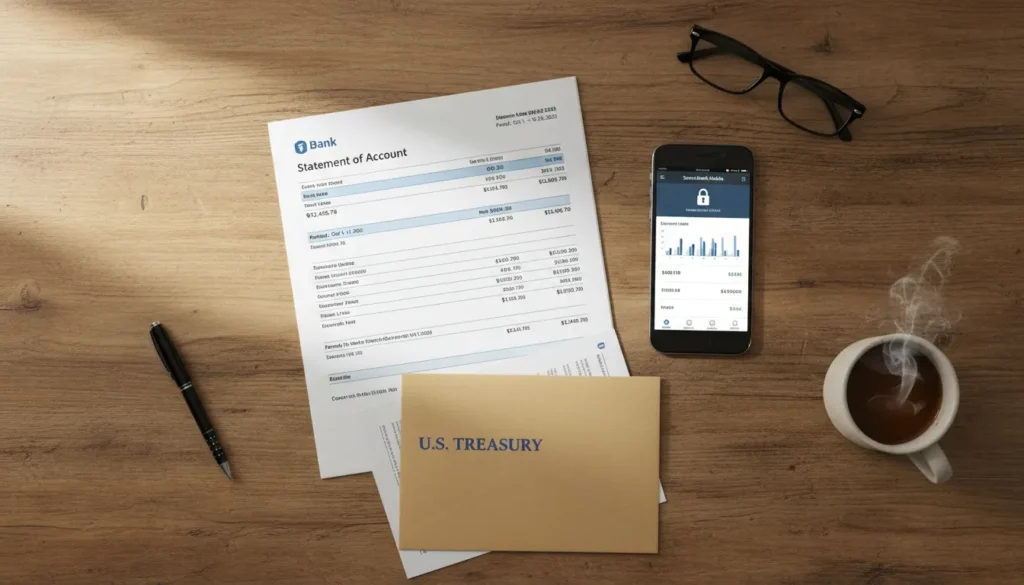
- Use the exact account number and routing number from a bank statement or blank check.
- Double-check for transposed digits; a single wrong digit can send funds elsewhere or delay payment.
3. File or update your tax return correctly
If the payment is tied to a 2025 tax filing, file electronically and include direct deposit info. Electronic filing reduces processing time compared with paper returns.
4. Monitor IRS tools and your bank
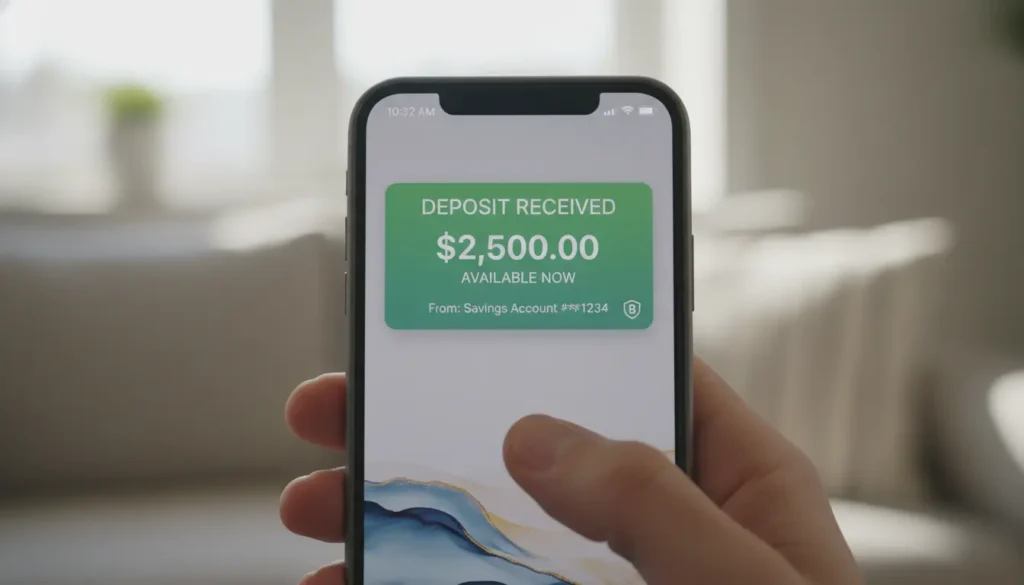
Use the IRS ‘Get My Payment’ or ‘Get My Refund’ tools if available for the program. Also watch your bank account and set alerts for deposits.
5. Protect yourself from scams
- The IRS will not call to demand payment or ask for banking details by unsolicited phone calls or texts.
- Ignore emails requesting personal details; check the IRS site for official messages.
- If you get a suspicious call or message, report it to the Treasury Inspector General for Tax Administration (TIGTA) or the IRS.
Practical Checklist Before January 2026
- Confirm paperwork is filed for 2025 taxes if required.
- Verify bank routing and account numbers on file with the IRS or tax software.
- Sign up for an IRS online account and enable alerts if you do not already have one.
- Document any IRS letters and follow instructions from official correspondence only.
The IRS issues most refunds by direct deposit because it is faster and more secure than paper checks. Direct deposit typically reaches accounts sooner and avoids mail delays.
What To Do If Your Deposit Is Late or Missing
If you expected a $2,000 deposit and it did not arrive, take these steps in order.
- Check the IRS online status tool for updates and error messages.
- Confirm with your bank that no pending deposit is listed under a different description.
- Contact the IRS only through numbers on IRS.gov if the online status shows a problem or if weeks have passed beyond the posted timeline.
Keep all documentation—filing confirmations, IRS letters, and bank statements—handy for any follow-up.
Small Case Study: How One Taxpayer Secured a Timely Direct Deposit
Case: A taxpayer filed an electronic return in late December and expected a $2,000 refundable credit based on reported eligibility. They verified bank details, enrolled in an IRS online account, and enabled bank alerts.
Result: After the IRS posted payment processing, the direct deposit appeared in their account in nine business days. The taxpayer avoided delays by confirming their bank routing and watching the IRS status tool.
This example shows simple actions can shorten wait times and reduce confusion.
Final Notes and Reliable Sources
Do not rely on secondhand posts or emails claiming to guarantee a $2,000 payment. Always check official IRS resources for rules and timelines for any specific program in January 2026.
If you need confirmation or suspect fraud, use the contact options listed on IRS.gov and report suspicious communications to TIGTA.
Following these steps will help you confirm eligibility, tighten security, and give the best chance of receiving any legitimate IRS direct deposit promptly.