
The federal government is set to issue $2,000 holiday deposits in January 2026. This guide explains who is eligible, how the payments will be issued, key rules and the important deadlines you need to track.
Who qualifies for the Federal $2,000 Holiday Deposits?
Eligibility depends on income, filing status and certain dependent rules. The program targets taxpayers who meet specific adjusted gross income (AGI) thresholds and filing requirements.
Basic eligibility checklist:
- U.S. citizen or qualifying resident alien with a valid Social Security number.
- Filed a federal tax return for the most recent tax year, or enrolled in an alternate verification program if available.
- Income below the published AGI limits for the payment.
Income limits and phase-out for Federal $2,000 Holiday Deposits
Payments typically phase out at higher incomes. For example, single filers may see a reduced or no payment above a specified AGI, and joint filers have a higher phase-out threshold.
Check the official guidance for exact AGI cutoffs and how dependents affect the amount.
How the January 2026 payments work for Federal $2,000 Holiday Deposits
The $2,000 deposits will be distributed in January 2026 through electronic deposits and mailed checks where direct deposit data is unavailable. The government will use the most recent tax return on file to determine amount and delivery method.
Key points about payment mechanics:
- Direct deposit will be the fastest method. Make sure the IRS or designated agency has your current bank account on file.
- If you did not provide direct deposit information, you may receive a paper check or prepaid debit card by mail.
- Joint returns receive a combined payment; individual dependents do not receive separate checks unless specified.
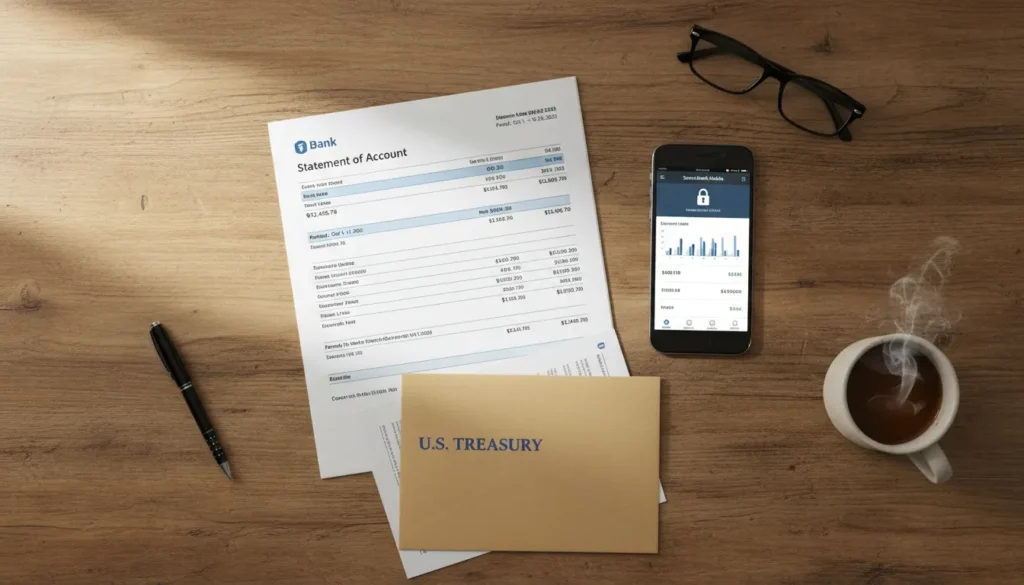
What to expect on your bank statement
Deposits will show as a government payment with a recognizable payer name. If you have multiple government deposits expected, use your tax return or the agency portal to match amounts and timing.
Payment rules and deadlines for Federal $2,000 Holiday Deposits
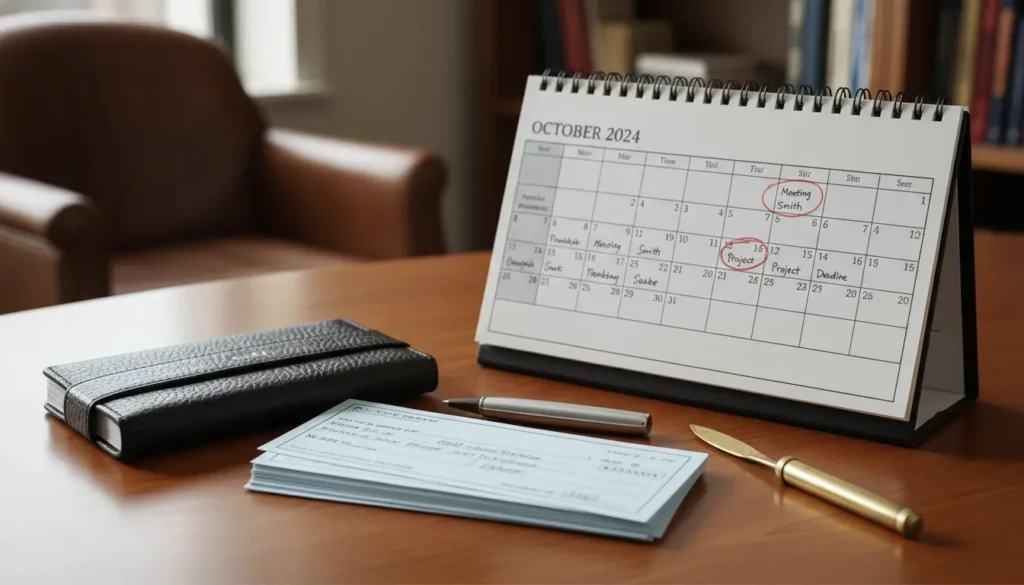
Deadlines determine who is eligible based on filing and registration dates. There are separate timelines for tax return filings, address updates, and direct deposit updates.
Important deadlines to note:
- Tax filing deadline used to determine eligibility: Usually the most recent filed year by a specific cutoff (check the agency notice for the exact date).
- Direct deposit and address update deadline: Typically several weeks before the first scheduled deposit in January 2026.
- Dispute or missing payment claims: Agencies often set a deadline after initial payments are distributed for you to report non-receipt.
What to do if you miss a deadline
If you miss the direct deposit or filing cutoff, you may still qualify but could receive a mailed payment or need to claim the amount when you file your next tax return. Keep receipts and notices in case you need to file a claim.
Some taxpayers who are not required to file a tax return may still receive the deposit if they register with the IRS portal or other designated agency before the payment deadline.
How to check eligibility and receive your Federal $2,000 Holiday Deposit
Use official online tools to confirm eligibility and payment status. The IRS or the administering federal agency will post a portal where you can verify payment method and update bank information.
Steps to check and update information:
- Visit the official agency website and use the payment status or payment portal tool.
- Enter required identity information exactly as it appears on your tax return.
- Update direct deposit or mailing address before the deadline.
Required documents and common issues
Have your most recent tax return, Social Security number, and bank routing/account numbers ready. Common issues include mismatched names, outdated addresses, and incorrect bank details.
If you see an error, contact the agency promptly and keep records of any communications.
Example: Real-world case study
Case study: Maria is a single filer who filed her 2024 tax return in April 2025. Her AGI was below the published cutoff and she supplied direct deposit details when filing.
Outcome for Maria:
- She confirmed her eligibility via the agency portal in December 2025.
- Her $2,000 deposit hit her bank account in January 2026 by direct deposit.
- She received a notice by mail two weeks after the deposit showing the payment reference and how it was calculated.
This example shows the importance of timely filing and verifying bank information well before the scheduled deposit date.
Final checklist before January 2026
- Confirm you filed the latest required tax return or registered with the portal if not required to file.
- Verify and, if needed, update direct deposit and mailing address data.
- Review AGI thresholds and dependent rules to confirm expected payment amount.
- Monitor official agency communications and use the payment status tool after distribution begins.
Keeping records of filings, communications and bank confirmations will help if you need to report a missing or incorrect payment. For the latest official details and exact deadlines, check the federal agency’s website and any mailed notices you receive.