This guide explains what beneficiaries should know about the federal $2,000 payments arriving January 2026. It covers eligibility, timing, how payments will be delivered, and practical steps to check or report issues.
Federal $2,000 Payments Arriving January 2026: What to expect
Payments are scheduled to begin in January 2026 and will be distributed by federal agencies to eligible recipients. Most beneficiaries will receive funds via direct deposit, paper check, or prepaid debit card, depending on their profile with federal systems.
Expect staggered delivery. Agencies often phase mass payments to manage processing and reduce errors. Check your expected window and how the agency notifies recipients.
Beneficiary Guide: Who qualifies
Qualification depends on program rules tied to your benefit or tax status. Typical eligibility groups include Social Security recipients, veterans who receive disability pay, and taxpayers who meet income and filing conditions specified in the authorizing law.
Common eligibility checks include:
- Active benefit status on the agency’s records
- Income thresholds or tax filing status where applicable
- Valid identification and up-to-date payment information
How payments will be sent
Most people will get direct deposit. If you already receive federal benefits by direct deposit, the $2,000 should post to the same account.
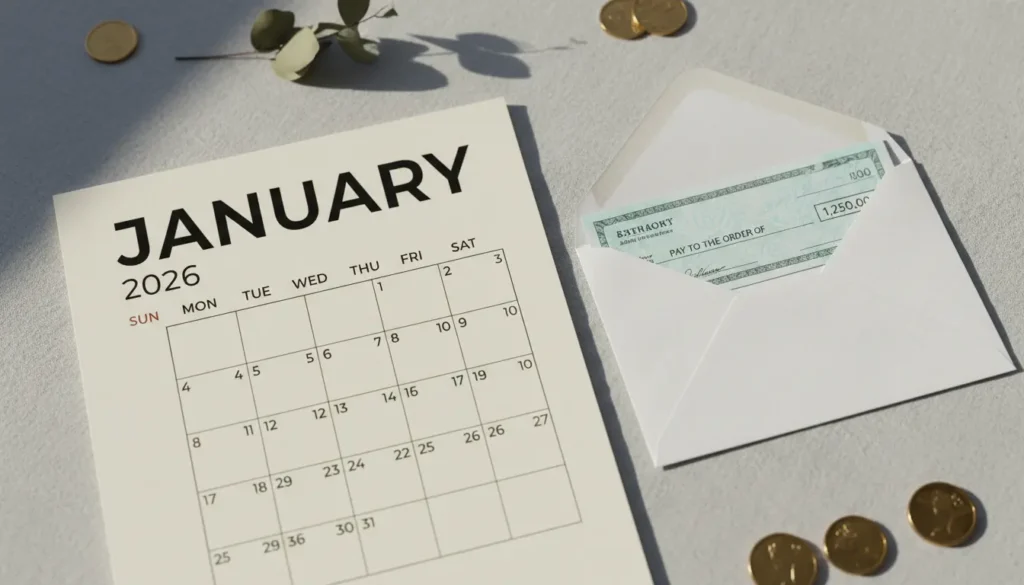
If the agency has no bank details, they may mail a paper check or a prepaid card. Mailing can add 1–3 weeks to delivery time compared with electronic deposits.
Beneficiary Guide: Checking payment status
Use the official agency website or your online benefits account to check status. Agencies often add a dedicated payments tracker or alert banner when large disbursements are active.
- Log in to your benefits portal (e.g., SSA, VA, IRS online account).
- Look for payment announcements, scheduled deposit dates, or messages about delivery method.
- Sign up for email or text alerts if offered.
The agency that administers your primary federal benefit is usually the one that sends one-time federal payments. If you get Social Security, check your SSA account first; if you get VA benefits, check VA communications.
Documents and information to have ready
Before contacting agencies, gather key documents. This speeds verification and reduces repeated calls.
- Social Security number or taxpayer ID
- Recent benefit statements or award letters
- Bank routing and account numbers if you expect direct deposit
- Mailing address and phone number on record
Beneficiary Guide: What to do if you don’t receive the payment
First, confirm eligibility and delivery method on your agency account. If records show a payment was issued, check the exact date and method.
If there’s no record or your payment is missing after the expected date:
- Contact the administering agency by phone or secure message. Use the official phone number from their website.
- Ask whether the payment was issued and if it was returned or undeliverable.
- Provide updated bank or mailing information if needed and request a reissue when appropriate.
Tax and reporting considerations
Check whether the $2,000 payment is taxable or considered taxable income for your situation. The law authorizing the payment will determine tax treatment.
Keep records of the payment and any notices. If the payment is taxable, you may need the agency’s notice or a 1099 form for your tax return.
Beneficiary Guide: Common scenarios and examples
Here are practical scenarios and what beneficiaries should do:
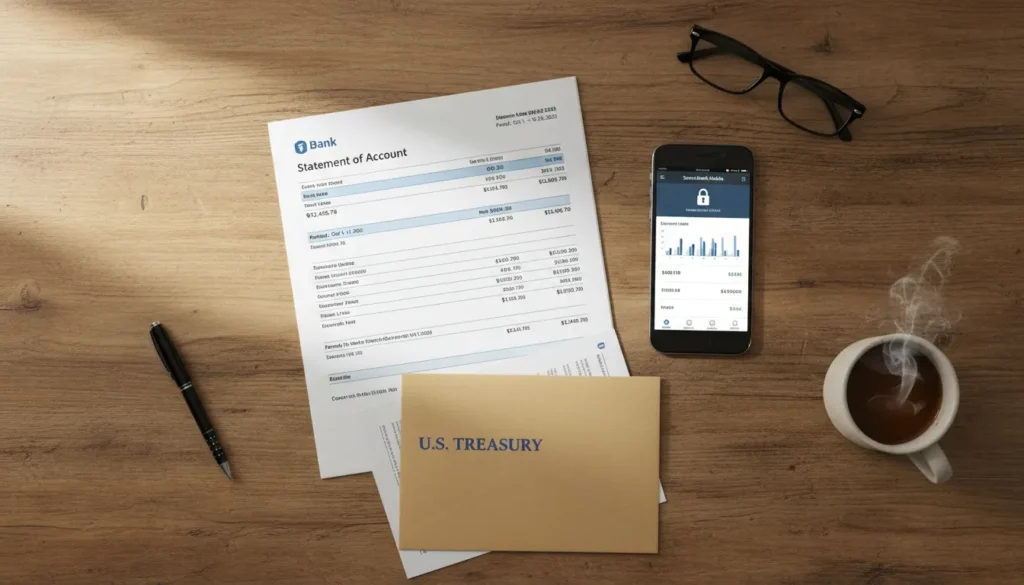
- If you receive direct deposit: Confirm the deposit on your bank statement on the expected date and save the transaction record.
- If you expect a check and it doesn’t arrive: Wait two weeks after mailing windows then contact the agency to request a stop and reissue.
- If you moved recently: Update your address before January to avoid delays or returned mail.
Small real-world case study
Case: Maria, age 67, receives Social Security retirement benefits by direct deposit. Her payment posted to the same account two days after the agency’s announced start date. She created a note with the deposit date and saved her online benefit message for future tax reference.
Outcome: Because her bank information was current and she checked the SSA portal, Maria avoided delays and had documentation ready when her tax preparer asked about income sources for 2026.
Contacting agencies and avoiding scams
Only use official agency websites and phone numbers. Be wary of unsolicited calls, emails, or texts asking for personal or banking details about the $2,000 payment.
Official agencies will not demand payment to release benefits or ask for full account passwords. If in doubt, hang up and call the agency using contact info from its official website.
Beneficiary Guide: Quick checklist
- Confirm eligibility on your benefit agency account.
- Verify bank or mailing details before January 2026.
- Monitor accounts and official messages during the payment window.
- Keep records and contact the administering agency if payment is missing.
Following these steps helps beneficiaries prepare for the federal $2,000 payments arriving January 2026 and act quickly if there are delivery issues. Check official agency guidance regularly for updates and exact processing windows.