The IRS has announced a $2,000 direct deposit relief program starting in January 2026. This guide walks through the updated eligibility rules, how the payment schedule typically works, and what to do to prepare.
Who is eligible for the $2,000 direct deposit relief
Eligibility is based on IRS rules released with the announcement. The key requirements are straightforward: taxpayers must meet income and filing conditions and have a valid bank account on file for direct deposit.
Core eligibility criteria
- Filed a 2024 or 2025 federal tax return (or submitted a qualifying non-filer registration) where required.
- Adjusted gross income (AGI) falls within the income bands set by the IRS announcement.
- Not claimed as a dependent on another tax return for the relevant tax year.
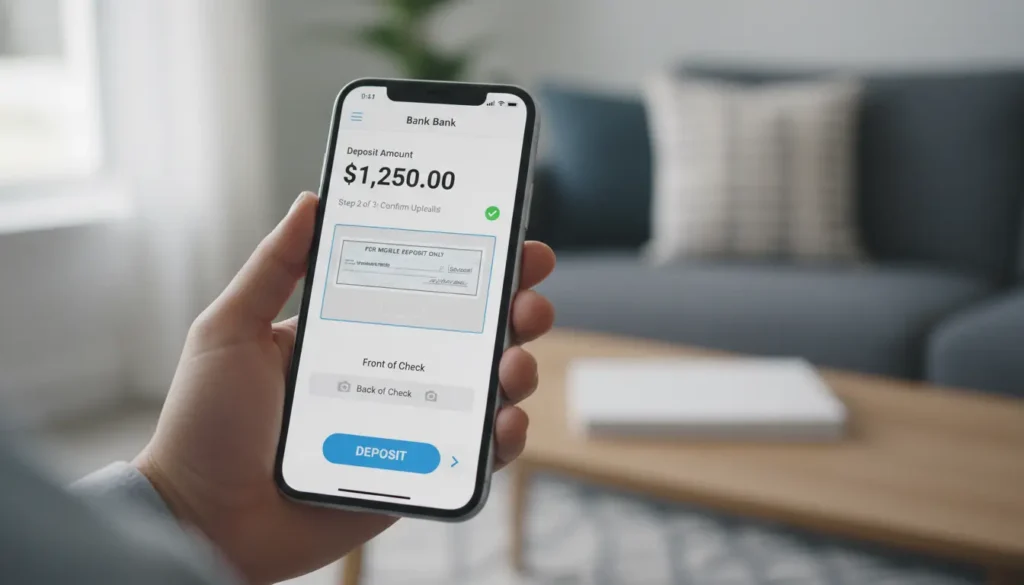
- Bank account and routing number on file with the IRS or Social Security Administration for direct deposit.
- No outstanding issues that block payment (for example, identity verification holds).
Note: Some exceptions may apply for certain benefit recipients (Social Security, VA, SSI). Check the IRS release or your benefits administrator for specifics.
Updated schedule and expected payment windows
The IRS will deliver payments in staggered windows over January 2026. Staggering helps manage processing and reduces bank delays. Payments are most often issued on business days.
How the payment windows typically work
- Payments released in waves by the final digit(s) of the taxpayer’s Social Security number (SSN) or taxpayer ID.
- Each wave covers a short range of days; the IRS posts a calendar showing which SSN groups are paid on which days.
- Direct deposit is faster than paper checks; most recipients receiving direct deposit see funds within 1–3 business days of release.
Example expected window pattern
While exact dates will be on the IRS webpage, a typical pattern might look like this:
- Early January: final SSN digits 0–2
- Mid January: final SSN digits 3–6
- Late January: final SSN digits 7–9
This staggered approach reduces congestion at banks and speeds electronic posting. Always confirm the official IRS schedule when it is posted.
What to check now to get your $2,000 as quickly as possible
Start with a quick checklist to avoid delays. Small, proactive steps can prevent holds that push a payment into a later window.
Preparation checklist
- Confirm your bank account and routing number with the IRS or SSA as required.
- Verify your mailing address and contact information in your IRS account.
- File any missing 2024 tax return or submit the IRS non-filer tool if you qualify.
- Watch for identity verification requests from the IRS and respond promptly.
- Use the IRS online tools (Get My Payment or your IRS online account) to track payment status after the release starts.
Common questions and practical tips
Below are answers to questions people most often ask about direct deposit relief payments.
When will I see the money in my account?
If you are scheduled in a release window and the IRS has a valid direct deposit account on file, funds can appear within 1–3 business days after the IRS posts the payment release for your group.
What if the IRS does not have my bank info?
You may receive a paper check instead, which takes longer. If you want direct deposit, follow IRS instructions to add or update account information before the release window begins.
My payment status says pending or not available. What now?
These messages are common before your group’s release window opens. If the message persists beyond the expected window, contact the IRS or check the help pages for identity verification steps.
The IRS often uses the last digit of your Social Security number to schedule electronic payments. Updating your direct deposit information early can move you out of slower paper check processing.
Small real-world example
Example (hypothetical): Maria, a single filer with a valid direct deposit on file, confirmed her account in December 2025. Her SSN final digit placed her in a mid-January window. She saw the $2,000 deposit two business days after the IRS release for her group.
This illustrates how updating account information early and confirming eligibility helps speed receipt of funds.
What to do if your payment is missing or incorrect
If the IRS posts a release for your window and you do not receive funds, follow these steps.
Step-by-step actions
- Check your IRS online account or the Get My Payment tool for status updates.
- Confirm the bank routing and account numbers the IRS has on file.
- Contact your bank to confirm whether a pending deposit exists.
- If needed, contact the IRS or use the online help center to open a payment trace.
Final notes and where to get official updates
Pay attention to the IRS official announcements and the Get My Payment tool for the most accurate schedule and status information. Timelines can be adjusted, and the IRS will post changes publicly.
Taking a few minutes now to verify your return status and direct deposit details can save weeks of waiting later. If you have eligibility questions, consult the IRS guidance or speak with a qualified tax professional.