IRS Confirms $2000 January 2026 Deposits: Overview
The IRS announced a plan to send $2000 deposits in January 2026. This article explains who may get the funds, the official schedule, and the steps to take if you do not receive a payment.
Read the rules carefully to confirm eligibility and avoid mistakes when checking your account or filing a return.
Who Qualifies for the $2000 January 2026 Deposits
Eligibility depends on the specific IRS program tied to these deposits. Most deposits are tied to tax credits, stimulus-authorized payments, or targeted assistance programs.
Common eligibility factors include income limits, filing status, dependency claims, and prior-year tax return information. The IRS typically uses your most recent filed return to determine eligibility.
Basic eligibility rules for the $2000 January 2026 deposits
- Must have filed a tax return for the relevant year (usually the prior tax year).
- Household income must fall under program thresholds set by the IRS or Congress.
- Certain nonresident aliens and dependents are usually excluded.
- Direct deposit or mailed checks will follow IRS records for your payment method.
Payment Schedule and Timing
The IRS has set specific windows for processing and issuing payments. The principal deposit month is January 2026, but the actual date can vary by taxpayer.
Payments are processed in batches. Some taxpayers see deposits early in the month and others later, depending on verification steps and bank processing times.
What to expect on the schedule
- Announcement and initial processing takes place before payments are released.
- Payments are sent in waves to direct deposit accounts first, then paper checks or prepaid cards.
- If verification is needed, your payment may be delayed until the IRS completes additional checks.
How to Check If You Will Receive the $2000 Deposit
Use the IRS online tools to check payment status. The IRS typically updates its payment tracker and personal tax account information with deposit details.
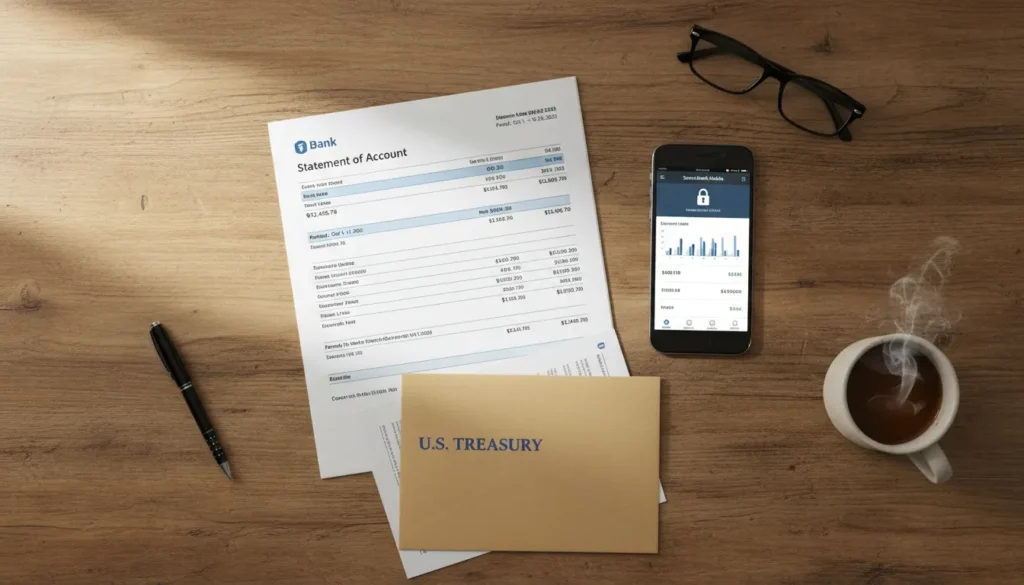
You can also check your bank account for a credit from the U.S. Treasury. The deposit description often includes a short identifier tied to the program.
Steps to confirm payment status
- Log in to your IRS online account to view notices and payment history.
- Use the IRS payment tracker if available for the specific program name.
- Check your bank statements for a deposit from the U.S. Treasury.
- Review mail for any IRS letters explaining delays or missing information.
The IRS often uses the latest tax return it has on file to calculate eligibility. If your most recent return is missing or incomplete, it can delay or reduce a payment.
What to Do If Your $2000 Deposit Is Missing
If you expect a deposit but do not receive it, start with IRS tools and your bank. Many issues can be resolved without filing an amended return.
Keep records and any IRS letters. Those documents make it easier to resolve disputes or request a late payment review.
Quick troubleshooting checklist
- Confirm you filed the most recent tax return and your address or banking info is up to date.
- Check the IRS online account and the payment tracker for status messages.
- Call your bank to verify whether a deposit was received and briefly described.
- Contact the IRS only after checking online tools and bank records; have your tax documents ready if you call.
How the IRS May Adjust or Recoup Payments
In some cases, the IRS offsets payments to cover past-due federal or state obligations. Child support and certain federal debts can reduce or eliminate the deposit.
If an offset occurs, the IRS will usually send a notice explaining the reason and the amount offset. Review the notice carefully for next steps.
Documentation and Records You Should Keep
Maintain copies of your tax returns, IRS notices, and bank statements that show deposits. These documents help verify eligibility and fix errors.
If you receive a notice from the IRS, keep it and act on any required steps by the deadline stated in the letter.
Example: A Small Case Study
Maria is a single parent who filed her 2024 tax return electronically and set up direct deposit with the IRS. She qualified under the income thresholds and expected a $2000 deposit in January 2026.
When Maria did not see the deposit by mid-January, she logged into her IRS account and found a message saying the IRS needed additional verification of her dependent claim.
She uploaded the requested proof through the IRS online portal and received the deposit two weeks later after verification completed. The process took extra time but was resolved without calling the IRS.
Final Steps and Practical Tips
To prepare: confirm your most recent tax return is filed, update direct deposit information, and monitor IRS tools and your bank account in January 2026.
If you run into problems, collect your documents and follow the IRS guidance before calling. Many issues are resolved online or with a simple document upload.
Key takeaways
- Eligibility is based on IRS rules and recent tax returns.
- Payments are scheduled in batches during January 2026 and may arrive at different times.
- Use IRS online tools and keep records to resolve delays quickly.
If you need personalized help, consider contacting a tax professional or using IRS-authorized assistance to review your case. Staying organized and checking official IRS channels will speed up resolution if a payment is delayed.