The IRS has confirmed a January 2025 direct deposit of $2,000 linked to a new tariff rebate plan. This article explains who qualifies, how the rebate is calculated, and what taxpayers should do to prepare. The goal is practical guidance so you can expect and receive the payment with minimal delay.
What the IRS confirmed about January 2025 $2,000 direct deposit
The IRS announced a targeted rebate program to return part of tariff collections to eligible households. The initial payment window begins in January 2025, with a base direct deposit amount of up to $2,000 for qualifying filers.
This confirmation clarifies distribution method, eligibility rules, and the administrative timeline. The payment is issued as a direct deposit when the IRS has a valid bank account on file, otherwise by check.
Key features of the tariff rebate plan
- Maximum base direct deposit: $2,000 per eligible taxpayer or household, depending on filing status.
- Distribution method: Direct deposit prioritized; checks mailed if no banking info is available.
- Eligibility verification: Based on recent tax returns and income limits set by the IRS.
- Phased payments: Some households may receive partial payments first, with reconciliations later in the year.
Who is eligible for the tariff rebate
Eligibility hinges on filing status, income, and certain dependents. The IRS uses the most recent tax return on file to determine status. Some non-filers may be eligible if they register through an IRS portal.
Common eligibility criteria include:
- Adjusted gross income (AGI) under the published threshold for single, head of household, and joint filers.
- Claiming qualifying dependents may increase the rebate amount for household units.
- Citizens and resident aliens who filed a recent tax return or used an IRS registration process.
Who is excluded
- Non-resident aliens without qualifying filings.
- Households above maximum AGI thresholds.
- Those who owe certain federal debts in full when offsets are required, subject to IRS offset rules.
How payments will be calculated and delivered
The payment calculation mixes a base rebate and adjustments tied to household size and income. The IRS will publish a formula that factors in recent tariff revenue allocations and per-household caps.
Delivery method priority:
- Direct deposit to bank accounts the IRS already has on file from tax returns or prior payments.
- Mailing paper checks when no direct deposit information exists.
- Low-income or non-filers may be directed to a registration portal to claim the rebate.
What to expect on your bank statement
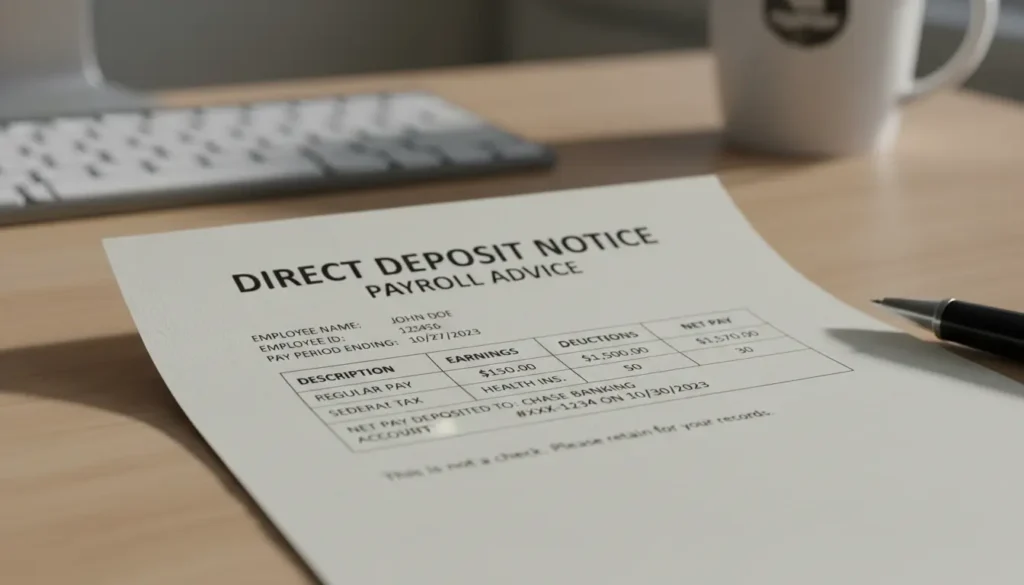
Direct deposits may show a short descriptor referencing the IRS and tariff rebate. The IRS will provide a notice explaining the payment and any after-the-fact adjustments.
Timeline and important dates
Below is a practical timeline based on the IRS confirmation and typical implementation steps.
- Late 2024: Final rulemaking and eligibility thresholds published.
- January 2025: First round of direct deposits begins for fully verified accounts.
- Q1–Q2 2025: Additional rounds to reach non-filers and those requiring manual verification.
- Mid to late 2025: Reconciliations and supplemental payments for certain households.
How to prepare for the January 2025 $2,000 direct deposit
Preparing early reduces delays. Confirm your contact details and banking information with the IRS before January 2025. Use your tax account or file an update if your direct deposit details have changed.
Recommended steps:
- Verify your most recent tax return for accuracy of filing status and dependents.
- Sign into IRS.gov and confirm your bank account details if you received previous direct deposits.
- If you are a non-filer but expect eligibility, register through the IRS non-filer portal when it opens.
- Keep documentation of any notices the IRS sends regarding the rebate.
What to do if you don’t receive the payment
If you expect a payment and don’t receive it by the stated window, first check your IRS account and mail notices. Then follow IRS instructions to update banking info or confirm eligibility.
Common issues include address changes, bank account closures, and missing tax returns.
Small case study: Real-world example
Case: A married couple, two children, joint AGI $60,000. They filed a 2023 return and have direct deposit on file. The IRS calculated a base $2,000 household rebate with a dependent adjustment of $300 per qualifying child.
Outcome: The couple received a $2,600 direct deposit in January 2025. The deposit descriptor matched an IRS notice that arrived by mail confirming the calculation and listing a phone and web contact for questions.
This example shows how filing status and dependents affect final amounts and how direct deposit speeds delivery.
Common questions about the tariff rebate plan
Will the rebate affect my tax return?
The rebate is generally considered a one-time transfer and does not change your tax liability for the year it is issued. The IRS guidance will clarify whether any portion is taxable, but most transfers of this type are not considered taxable income.
Can the IRS use the rebate to offset debts?
Yes. The IRS may apply the rebate to certain federal debts or legally allowable offsets. The IRS will provide notice before any offset is applied.
How do non-filers claim the rebate?
Non-filers will likely use an IRS online portal or form to register basic information and bank details. Watch IRS announcements for specific registration dates and instructions.
Next steps
Monitor official IRS channels for final rules, thresholds, and the non-filer registration portal. Confirm banking and contact details in your IRS account to speed delivery. Keep records of notices and any communications.
Following these steps will help you receive the January 2025 $2,000 direct deposit promptly if you qualify under the tariff rebate plan.