
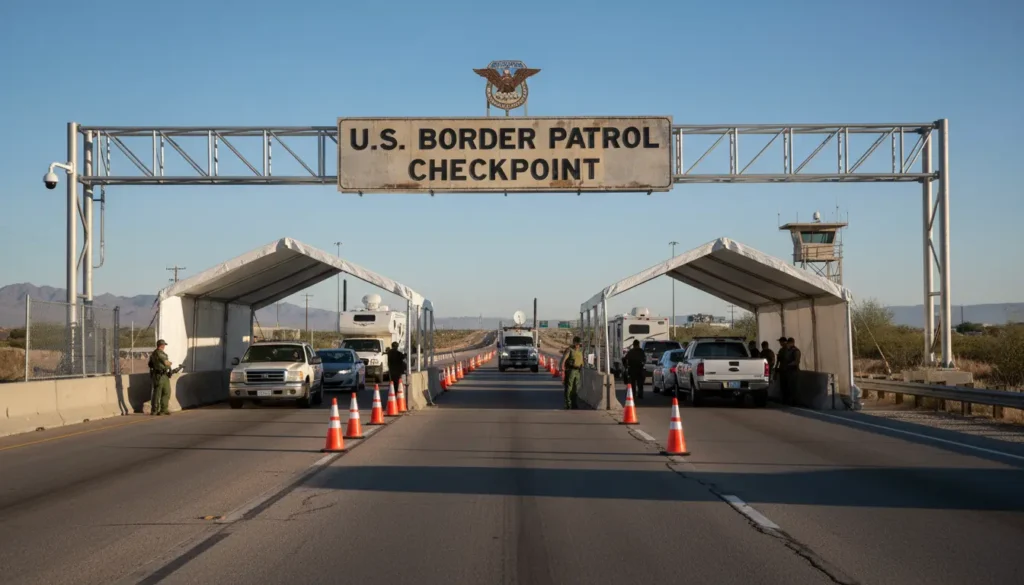
The January 2026 driving law introduces changes that will affect drivers across the United States. This article explains what the law does, who it impacts, and practical steps to avoid fines or jail time.
What the New January 2026 Driving Law Requires
The law adds stricter penalties for high-risk driving behaviors and creates new enforcement standards for states that receive federal highway funds. It targets repeated offenses and conduct that greatly increases crash risk.
Key elements include mandatory minimum fines for repeat offenders, expanded use of vehicle immobilization for unpaid penalties, and criminal penalties for certain reckless behaviors that cause serious harm.
Core provisions of the new driving law
- Higher minimum fines for repeat moving violations within a 24-month window.
- New criminal misdemeanor for reckless driving that results in severe injury or death.
- Authority for courts to order vehicle immobilization or license suspension for unpaid penalties.
- Reporting requirements for states to track repeat offenders and share data with other states.
Who Is Affected by the January 2026 Driving Law
All licensed drivers can be affected, but the law focuses on drivers with repeat or serious violations. Commercial drivers face additional scrutiny under parallel federal safety rules.
Young drivers and those with prior convictions may find themselves subject to stricter consequences sooner, because penalties escalate with each subsequent offense.
Examples of targeted behaviors
- Excessive speeding (e.g., 20+ MPH over the limit) repeated within two years.
- Reckless passing, street racing, or deliberate disregard for traffic signals.
- Driving after repeated license suspensions or ignoring court orders related to traffic fines.
The new law requires states to report moving violation data to a shared registry. This makes it easier for another state to enforce sanctions if you move or drive across state lines.
Fines and Jail Time Under the New Law
Monetary penalties now include higher minimums and steeper increases for repeat offenses. The legislation sets a baseline that states must meet or exceed to stay eligible for certain federal funds.
In narrow circumstances, the law introduces criminal penalties. Jail time is reserved for reckless driving that causes serious bodily injury or death, or for willful evasion of court orders related to repeated violations.
Typical penalty structure
- First serious offense: higher fine than previous federal baseline, plus points on the license.
- Repeat offenders within 24 months: escalating fines, possible license suspension, and vehicle immobilization.
- Reckless driving causing serious harm: misdemeanor or felony charges depending on state law, with possible jail time.
How to Avoid Fines or Jail Time
Compliance and proactive behavior are the best defenses. Know the new thresholds for repeat offenses and keep records of payments, court dates, and any required classes.
Address tickets immediately. Many of the law’s escalations hinge on unpaid fines or ignored court orders. Taking care of citations promptly reduces the risk of fuel for stronger penalties.
Practical checklist to stay compliant
- Pay or contest tickets quickly — don’t let fines go unpaid.
- Attend mandated traffic school or rehabilitation programs when offered.
- Keep proof of insurance and registration up to date.
- Track your driving record and request an official copy if you suspect errors.
- Consult a traffic attorney for serious charges or repeat-offender notices.
Real-World Example: A Case Study
Case: Jane, a 29-year-old commuter, received two speeding tickets and one reckless-driving citation inside 18 months. She missed a court date on one citation and delayed payment on another. The state entered her name in the offender registry and suspended her license pending resolution.
Because penalties escalated under the January 2026 law, Jane faced higher fines and temporary vehicle immobilization. She avoided jail by promptly hiring an attorney, attending a corrective driving program, and paying assessed fines. The case shows how quick action can prevent criminal exposure.
State Differences and What to Watch For
Although the law sets federal thresholds and reporting requirements, states implement penalties differently. Some states adopt the full federal baseline, while others exceed it with additional sanctions.
Before traveling or relocating, check the DMV and state legislature pages for specific rules. This reduces surprises if you accumulate violations across state lines.
Questions to ask your state DMV
- How does my state implement the January 2026 minimum fines?
- What triggers license suspension or vehicle immobilization?
- Where can I access my driving record and dispute errors?
Final Practical Tips
Driving habits matter more under the new rules. Slow down, obey signals, and avoid risky maneuvers that attract police attention.
Keep documentation of payments, court communications, and completion certificates for any required courses. Prompt documentation and compliance often stop escalation to severe penalties.
If you face a serious charge after January 2026, consult a traffic or criminal attorney who understands both federal reporting changes and your state’s specific penalties. Early legal help can prevent fines from turning into criminal records or jail time.