
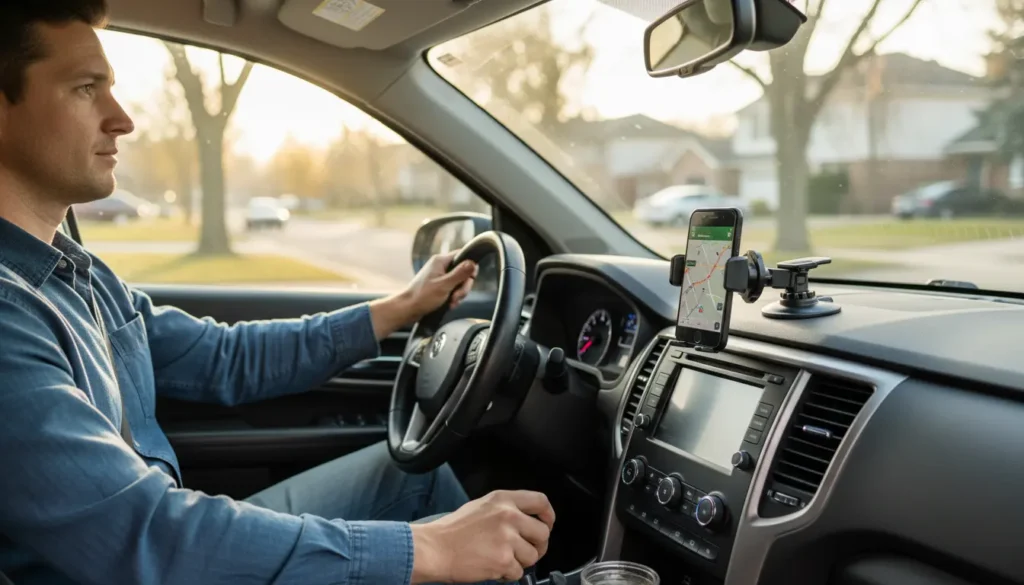
Overview of the New January Driving Law
This January a federal regulation went into effect that requires consistent driving rules across all 50 states. Many states updated statutes and enforcement practices to match the new standard.
The change focuses on making roads safer and creating a uniform baseline for driver behavior and penalties.
What the New January Driving Law Means for Drivers
The law standardizes key rules that previously varied from state to state. Drivers should expect clearer definitions of violations and more consistent fines.
States may still have additional local rules, but the federal standard sets the minimum required enforcement.
Key points covered by the law
- Hands-free requirements for mobile device use while driving.
- Standardized penalties for distracted driving and repeat offenses.
- Uniform requirements for child passenger safety and seat belt enforcement.
- Updated license verification and digital credential acceptance in traffic stops.
Practical Steps Drivers Should Take Now
Take simple, practical actions to avoid fines and stay safe under the new January driving law.
These steps reduce risk and help you comply with both the federal standard and your state rules.
Checklist for immediate compliance
- Review your state DMV website for specific updates tied to the federal rule.
- Switch any device use to hands-free modes before driving.
- Check child seat and seat belt installations to meet the updated safety requirements.
- Carry digital credentials if your state supports them and confirm acceptance procedures.
- Understand the new penalty schedule so you can avoid costly violations.
How Enforcement and Fines Change Under the New January Driving Law
Enforcement is now more uniform: citations for the same offense will more likely result in similar fines or points no matter the state.
Repeat offenders face increasing penalties and some states may require education classes for certain violations.
Typical penalty structure
- First offense: modest fine and warning, possible points on license.
- Second offense: larger fine, mandatory traffic education, additional points.
- Third or repeat offenses: higher fines, license suspension risk, increased insurance rates.
Exemptions and Special Cases
The law allows narrowly defined exemptions—for example emergency responders and vehicles in active emergency operation.
Commercial drivers and ride-share operators should check employer policies that may be stricter than the federal minimums.
Examples of special considerations
- Medical emergencies: use reasonable judgment; documentation may be needed later.
- Work vehicles: company policies often prohibit any handheld use even if exempted by law.
- New drivers: graduated licensing rules still apply and may include stricter device prohibitions.
How to Prepare: Practical Tips and Tools
Use simple tools and routines to stay compliant. Preparation is often more effective than reacting to a citation.
These tools protect safety and help avoid fines.
Practical tips
- Enable Do Not Disturb While Driving on your phone and set automatic replies for texts.
- Use a reliable hands-free mount and Bluetooth headset approved for in-car use.
- Confirm that baby seats match the updated guidance and check expiration dates.
- Keep digital licenses or proof of compliance where allowed by your state for quicker verification.
- Enroll in a defensive driving course if cited; it may reduce points or fines in many states.
Short Case Study: Local Delivery Driver Adopts Changes
Situation: A delivery driver who worked across three states faced different rules and several minor citations last year.
Action: After the new January driving law took effect, the driver switched to a hands-free setup, completed a state-approved safety refresher, and kept digital proof of training on a phone app.
Result: The driver avoided further fines, reduced delivery delays, and reported fewer on-the-road distractions.
This small investment paid off through lower insurance renewals and fewer work disruptions.
Common Questions About the New January Driving Law
Drivers often ask whether the new law replaces all state rules. Short answer: no—states can add stricter rules, but they cannot go below the federal baseline.
Check your state DMV or legal counsel for details if you handle commercial fleets or special vehicle classes.
When to seek official guidance
- If you operate a commercial vehicle across state lines.
- If your occupation requires frequent emergency driving or exemptions.
- If you receive a citation you believe conflicts with local rules—get legal advice promptly.
Final Takeaways on the New January Driving Law
The nationwide change simplifies rules and aims to improve road safety. Practical steps—like using hands-free systems, checking child seats, and reviewing state updates—are the best first moves.
Staying informed and making small changes now will reduce the likelihood of fines and keep you safer on the road.