
In January 2026, the IRS began distributing a $2,000 cash payment authorized by federal policy. The news sparked strong reactions from different groups. This article explains the reasons behind the outrage, who is likely to deserve the payment, and practical steps to confirm eligibility.
Why the outrage over a $2,000 IRS cash giveaway in January 2026?
Public anger has several roots. People worry about fairness, budget priorities, and whether the money reaches the most vulnerable households.
Misunderstandings about eligibility also feed the outrage. Some assume all taxpayers get the payment automatically, while others think certain groups were unfairly excluded.
Common reasons for the backlash
- Perceived unfairness: Critics say one-time payments can favor some groups over others.
- Information gaps: Confusion about eligibility and distribution channels created distrust.
- Policy priorities: Some argue funds should go to long-term programs instead of a lump sum.
Who deserves the $2,000 IRS cash giveaway in January 2026?
Answering who deserves it requires balancing fairness, need, and policy goals. Below are groups commonly viewed as top priorities.
- Low-income households: Money often has a larger marginal benefit for those with limited savings.
- Seniors on fixed incomes: A $2,000 payment can cover medical bills or rent for retirees living on Social Security.
- Disabled people and veterans: These groups face higher recurring costs and may need one-time relief.
- Families with children: Cash helps cover childcare, food, and school expenses.
Policy makers sometimes include income phase-outs or exclusions to target limited funds to those who need them most. That design affects public perceptions of who “deserves” the payment.
Who does not automatically deserve it?
Deservingness is subjective, but many argue that very high-income households do not need such one-time payments. Others point out tech-savvy or well-resourced individuals who do not update tax information may miss needed outreach.
How the $2,000 IRS cash giveaway in January 2026 will be distributed
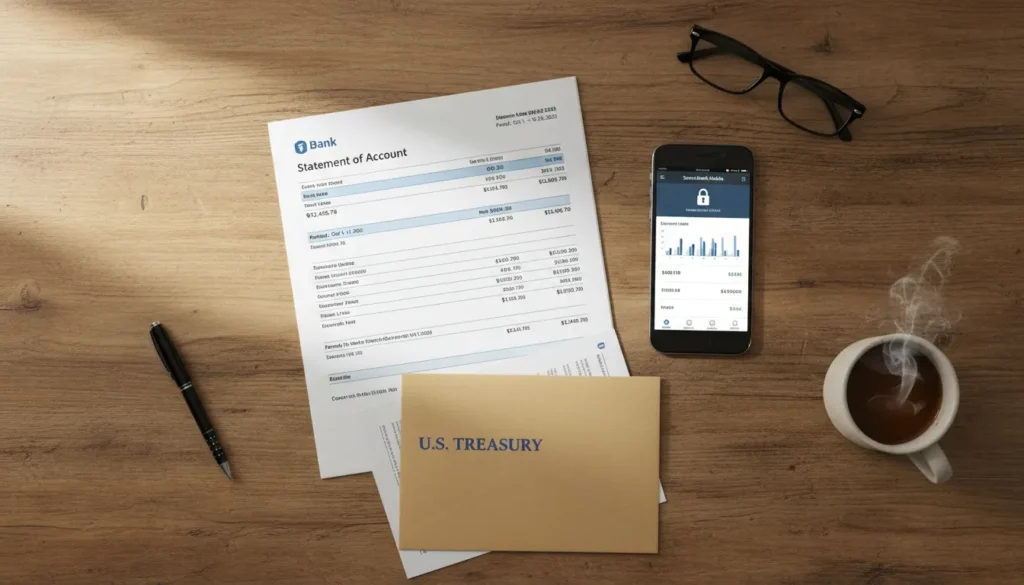
The IRS typically uses existing tax records to issue payments. Distribution channels include direct deposit, mailed checks, and prepaid debit cards in some cases.
Expect these steps from the IRS:
- IRS verifies tax records and addresses against eligibility rules.
- Payments go first to direct deposit accounts on file, then to mailed checks.
- The agency sends notices explaining payment amounts and reasons.
Timeline and paperwork
Payments usually arrive over several weeks. Notices or letters follow the payment and explain how to report problems or request a trace.
Nonfilers or people with outdated information may need to submit basic forms or update their IRS account to receive the money.
Steps to confirm eligibility and claim the payment
Follow these practical steps to confirm whether you qualify and how to get the $2,000 payment.
- Check official IRS announcements at IRS.gov and avoid social media rumors.
- Log into your IRS online account to see payment status and direct deposit details.
- If you don’t have an account, register or use the IRS non-filer tools if available.
- Update your mailing address and banking information before the payment deadline.
- Keep notices and letters for your records and contact the IRS only through official channels if you need help.
Document all steps you take and save any confirmation numbers when you update information with the IRS.
Common issues and how to fix them
- Wrong bank account on file: Request a trace or replacement check through the IRS payment inquiry process.
- No notice received: Check your online account and review any letters left by the postal service.
- Missing qualification: Confirm income thresholds and filing status used for eligibility calculations.
The IRS sometimes uses previous tax-year records to determine one-time payment eligibility, so you may qualify even if you did not file the current year.
Small real-world example: A case study
Maria is a single mother working part-time with irregular income. She missed a tax filing year after a job change and worried she would not receive the payment.
Maria checked the IRS non-filer portal and discovered she could submit a short form to confirm eligibility. She updated her bank account and received a direct deposit within three weeks. The $2,000 covered a month of rent and car repairs.
This example shows how checking IRS resources and updating records can be crucial, especially for people with interrupted filings.
Practical advice for community leaders and advocates
Organizations helping vulnerable populations can take specific actions to reduce confusion and improve access.
- Run outreach drives to help people check IRS accounts and update information.
- Create simple guides and local clinics for nonfilers to register.
- Coordinate with legal aid to assist those with identity or access problems.
Conclusion: Balancing fairness and practical steps
Outrage over the $2,000 IRS cash giveaway in January 2026 reflects deep concerns about fairness and implementation. Clear communication, targeted eligibility rules, and community outreach can reduce confusion and make sure the money reaches those who need it most.
Follow the practical steps above to confirm eligibility, update records, and claim the payment if you qualify. When policy and implementation align, one-time payments can offer meaningful short-term relief.