
Many beneficiaries are seeing notices or headlines that say “Social Security ending soon.” This article explains what those messages usually mean, how they affect SSI, SSDI, and VA recipients, and clear steps you can take to prevent or respond to a benefit interruption.
What “Social Security Ending Soon” Typically Means for SSI, SSDI, VA
The phrase does not always mean benefits will stop immediately. It often refers to required actions, paperwork, or scheduled eligibility reviews that, if not completed, could lead to suspension.
Common triggers include missing documentation, upcoming medical continuing disability reviews, yearly eligibility checks for SSI, or administrative deadlines for VA benefit verification.
Key differences: SSI, SSDI, and VA
- SSI (Supplemental Security Income): Means-tested and requires proof of income, resources, and living arrangements. Failing to respond to income/resource requests can stop payments.
- SSDI (Social Security Disability Insurance): Based on work credits. Medical reviews (Continuing Disability Reviews) can pause benefits if medical improvement is claimed and documentation is not provided.
- VA Benefits: Administered by the Department of Veterans Affairs. Notices may request proof of service-connected conditions, income, or attendance at scheduled exams.
Why benefits might stop and how to spot a real risk
Not all notices mean an imminent cutoff. Routine letters about verification, address confirmation, or upcoming medical exams are common. The real risk comes when a deadline is missed or required evidence is not submitted.
Watch for these warning signs:
- A letter with a clear deadline to submit documents.
- Notices that state benefits will be suspended unless you act.
- Requests for medical records, examinations, or proof of living arrangements or income.
How to verify a real notice
- Check the sender: Social Security Administration (SSA) or Department of Veterans Affairs (VA) official letterhead and contact information.
- Log into your SSA or VA online account to confirm the request.
- Call the official phone number on the agency website if unsure. Avoid numbers in unexpected emails or texts.
Immediate steps to prevent Social Security ending soon
Taking quick, organized action can often prevent a shutdown of benefits. Follow this checklist as soon as you receive a notice.
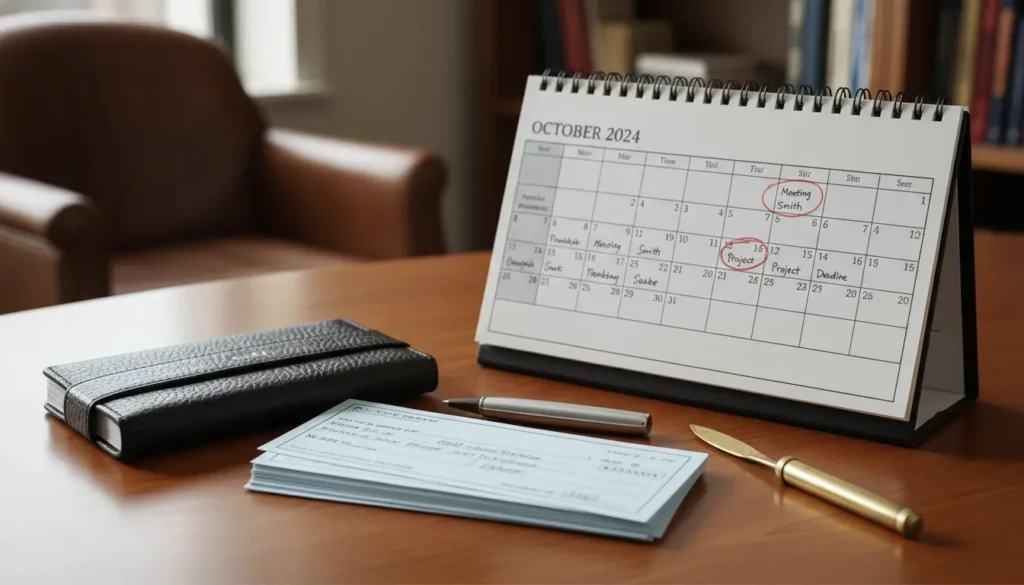
- Read the notice and note the deadline. Mark it on a calendar and set reminders.
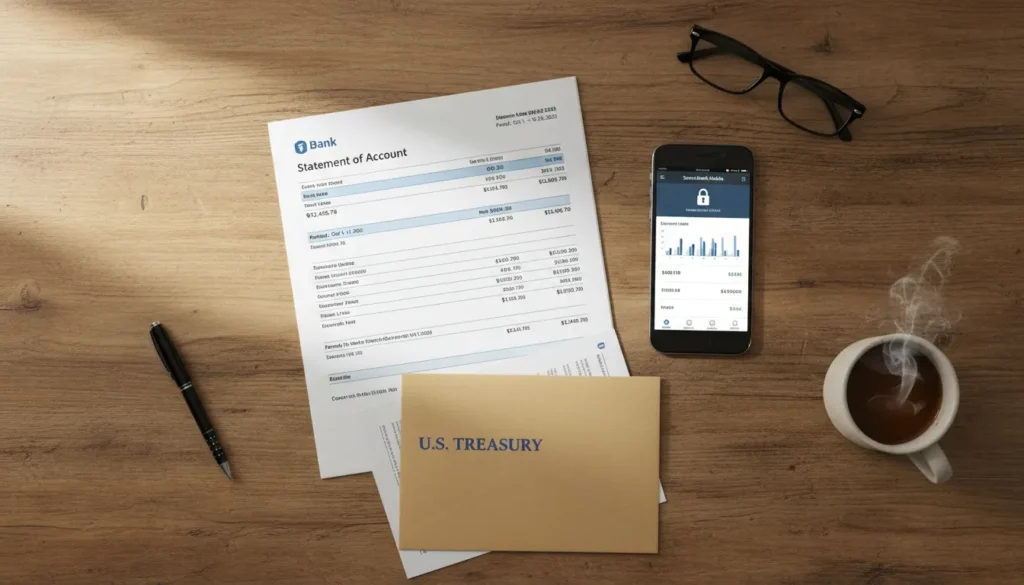
- Gather required documents: pay stubs, bank statements, medical records, proof of address, or ID.
- Submit documents early by mail, online upload, or in person depending on the agency instructions.
- Request an extension in writing if you need more time; many offices allow short extensions for good cause.
- Keep copies and a record of how and when you sent documents.
What to do if benefits stop
If payments are suspended, act immediately. There are formal appeal processes and short-term relief options in many cases.
- Contact the agency ASAP to confirm reason and next steps.
- File a request for reconsideration or appeal within the deadline listed in the notice.
- Ask for speedy reinstatement if you depend on benefits for daily needs; some emergency payments or back pay can be arranged if the decision is overturned.
- Seek assistance from a local legal aid clinic, VA-accredited representative, or a Social Security advocate.
Many benefit suspensions are caused by simple documentation gaps. Submitting missing proof within the deadline often restores payments and may include back pay to the suspension date.
Common questions about “Social Security Ending Soon” notices
Will I lose back pay if benefits stop?
If your benefits stop and you successfully appeal or provide required evidence, you are often eligible for back pay dating to the suspension date. Keep records to support your case.
Can I get emergency help while an appeal is pending?
Some programs offer emergency or expedited payments for severe hardship. Contact the SSA, VA, or local social services to ask about emergency assistance options.
Case study: Small real-world example
Maria, a 62-year-old SSI recipient, received a notice to verify income after a job change. She missed the first deadline and payments were suspended. Maria immediately contacted the SSA, provided pay stubs and a written explanation, and filed a request for reconsideration.
Within three weeks she received a temporary reinstatement while her documents were reviewed. After verification, her benefits were fully restored with back pay to the suspension date. Her quick response and careful record-keeping were key.
Where to get help
Use official agency resources first. For SSI and SSDI, visit ssa.gov or call your local SSA office. For VA benefits, use va.gov or call the VA regional office.
If you need representation or counsel, look for accredited disability attorneys, Veteran Service Officers (VSOs), or legal aid in your area. Community organizations and benefits counselors can also help organize paperwork and appeals.
Final practical checklist
- Open and read all agency mail and emails promptly.
- Keep an updated file of ID, income, bank statements, and medical records.
- Set calendar reminders for reviews or deadlines.
- Contact agencies immediately if you miss a deadline—ask about extensions or expedited review.
- Seek accredited help for appeals or complicated cases.
Being proactive is the best way to avoid the real risk behind “Social Security ending soon.” Small, timely actions usually prevent interruptions and protect your benefits.