U.S. Driving License Changes 2026: What Drivers Need to Know
On January 27, 2026, a set of new rules affecting U.S. driving licenses takes effect. These changes affect verification, renewals, and available digital options in many states. This article explains the practical steps to prepare and how the changes may affect travel and daily use.
Why the January 27, 2026 deadline matters
The new rules standardize certain ID features and administrative requirements across participating states. Federal guidance aims to improve security, reduce fraud, and support digital license options. States will implement these rules in ways that match their existing DMV systems.
Key points of the U.S. driving license changes 2026
The updates do not replace every state license, but they introduce core changes many drivers will see. Expect new document checks, updated license designs, and expanded options for mobile driver’s licenses (mDLs).
- Stricter identity verification when applying or renewing a license.
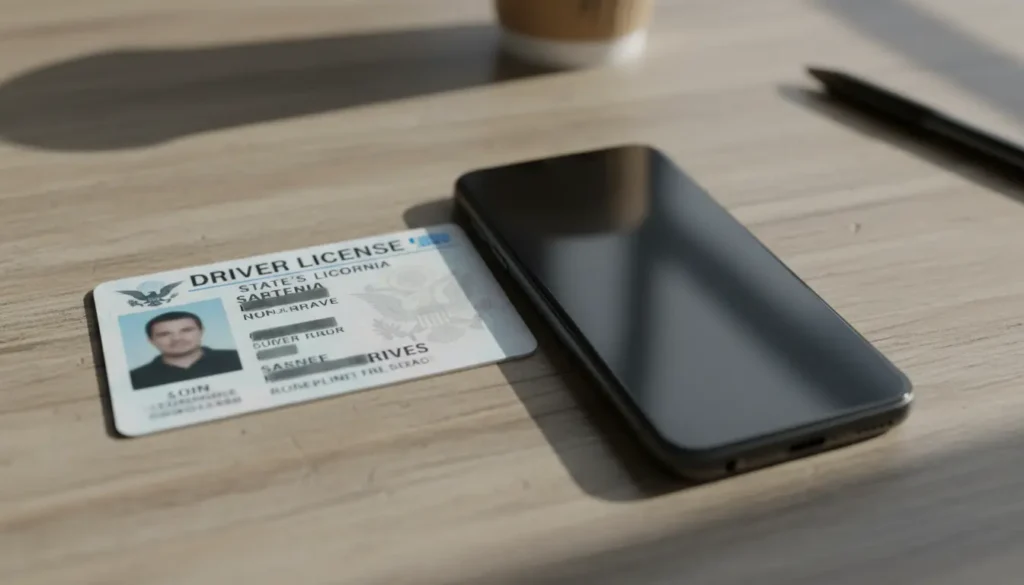
- New security features on physical cards to reduce counterfeiting.
- Support for certified mobile driver’s licenses in participating states.
- Revised renewal windows and electronic renewal verification requirements.
- Updated procedures for organ donor and medical indicator data.
Who is affected by the new rules?
All drivers in the U.S. should review the changes, but impact varies by state. New applicants, people renewing their licenses, and anyone seeking a REAL ID-compliant credential should pay attention. Commercial drivers may face additional documentation steps.
Practical steps to prepare for January 27, 2026
Follow a simple checklist to make your renewal or application smooth. These steps reduce the chance you will need extra visits to the DMV.
- Check your state DMV website for specific implementation details and required documents.
- Gather primary identification: birth certificate or passport, Social Security information, and two proofs of residential address.
- Confirm your current license type and whether you need a REAL ID or standard license for travel.
- Make an appointment if your DMV offers scheduling to avoid long lines.
- If you plan to use a mobile driver’s license, verify that your state supports certified mDLs and learn the setup steps.
Documents commonly required
Required documentation will vary, but most states request similar items. Prepare originals or certified copies; photocopies are often not accepted.
- Proof of identity (U.S. passport or certified birth certificate)
- Social Security number (card or W-2)
- Two proofs of residency (utility bill, lease, or bank statement)
New rules on January 27 explained
The phrase “New Rules on January 27” refers to the enforcement date for the core changes. On that date, participating DMVs will require updated verification steps for in-person and often online renewals.
Expect the following administrative differences after the date:
- Some renewal processes that were once fully online may now require a short in-person identity check.
- Digital credentials may require a one-time in-person activation to link your mobile device securely to your DMV record.
- New security elements on physical cards may change photo placement or card layout; carry your old license until replacement is issued.
Impact on travel and TSA screening
If you use a standard driver’s license for domestic air travel, check whether your state license meets REAL ID requirements. The new rules streamline the path to compliance, but individual state timelines can differ.
To avoid last-minute problems at airport security, get a REAL ID-compliant credential before you travel if your current license is not compliant.
Starting January 27, 2026, many states will support a certified mobile driver’s license (mDL). However, fewer than half of states may allow full mobile use for official identity checks at first.
Small real-world example
Case study: Maria, a school bus driver in Ohio, needed to renew her license in February 2026. She checked the Ohio BMV website and learned she had to bring her passport and two proofs of address to qualify for a renewed commercial endorsement.
Maria scheduled an appointment, visited the BMV, completed a short biometric verification, and received a temporary paper document while waiting for the new card. The process took one visit because she prepared the correct documents in advance.
Common questions and quick answers
Will everyone need a new physical card?
Not necessarily. Many states will phase in new cards as licenses expire. You will receive a new card if you apply for renewal or replacement after the new rules are active in your state.
Can I use a phone-based license now?
Only if your state supports certified mobile driver’s licenses. Even then, you may need an in-person activation step. Verify with your state DMV.
What if my state doesn’t adopt the new rules immediately?
States can adopt changes at different speeds. If your state delays, your current license remains valid until its normal expiration or until your state issues an update.
Final checklist before January 27, 2026
- Review your license expiration date and plan renewals early.
- Gather required identity and residency documents ahead of time.
- Schedule DMV appointments where available.
- Decide whether to obtain a REAL ID-compliant credential or an mDL where offered.
- Monitor your state DMV for specific guidance and timelines.
By preparing now and confirming details with your state DMV, you can avoid delays and ensure your license remains valid for travel and everyday use after January 27, 2026.