
Many people assume Social Security payments follow a fixed monthly pattern. In 2026 the calendar, policy changes, and administrative rules can create exceptions that affect when funds arrive.
Understanding Social Security Payment Dates in 2026
Social Security payments are generally scheduled by birth date and claim type. Most beneficiaries receive benefits on a regular monthly schedule set by the Social Security Administration (SSA).
However, the apparent simplicity hides several timing rules and special cases. These can shift payment dates and cause confusion if you expect the same date every month.
Why Social Security Payment Dates in 2026 May Not Be As Simple As They Seem
Several factors can alter when you receive a Social Security payment. These include how the SSA assigns payment days, holidays that affect processing, and administrative changes to benefit calculation or disbursement.
Small differences in wording or eligibility can also change your payment cycle. That makes it important to know the rules that apply to your situation.
Common reasons payment dates change
- Birthday-based payment schedule — SSA groups recipients by birth date, not by the calendar day someone expects.
- Federal holidays and weekends — Payments often move to the prior business day when the scheduled date falls on a non-banking day.
- Initial payment timing — Your first payment after approval can arrive on a different cycle than later, recurring payments.
- Direct deposit processing windows — Bank processing times vary by institution and can delay visible posting.
- Policy or coding updates at the SSA — Administrative adjustments can temporarily shift disbursement patterns.
Key rules that affect Social Security Payment Dates in 2026
Knowing the primary SSA rules helps you predict likely dates and spot exceptions. Below are the core scheduling rules most beneficiaries see in practice.
Birth date rule
For retirees and disability beneficiaries who started benefits after 1997, SSA assigns payment weeks by the date of birth. That means two people on the same nominal monthly schedule may get paid on different weekly dates.
If you began benefits before 1997 or are a spouse/survivor receiving benefits, the rules may differ and your payment could fall on a different day of the month.
Holidays, weekends, and banking
When the scheduled payment date is a Saturday, Sunday, or federal holiday, the SSA and banks typically release funds the business day before. That can make some months appear earlier.
Banks also have their own posting windows, so a payment released by SSA might show up in your account late in the day or the following business day.
Practical steps to manage Social Security Payment Dates in 2026
You can take simple steps to avoid surprises and ensure funds arrive when you need them. These actions are practical and require little time.
- Confirm your payment schedule in my Social Security online account.
- Set direct deposit with a reliable bank and ask about their posting windows.
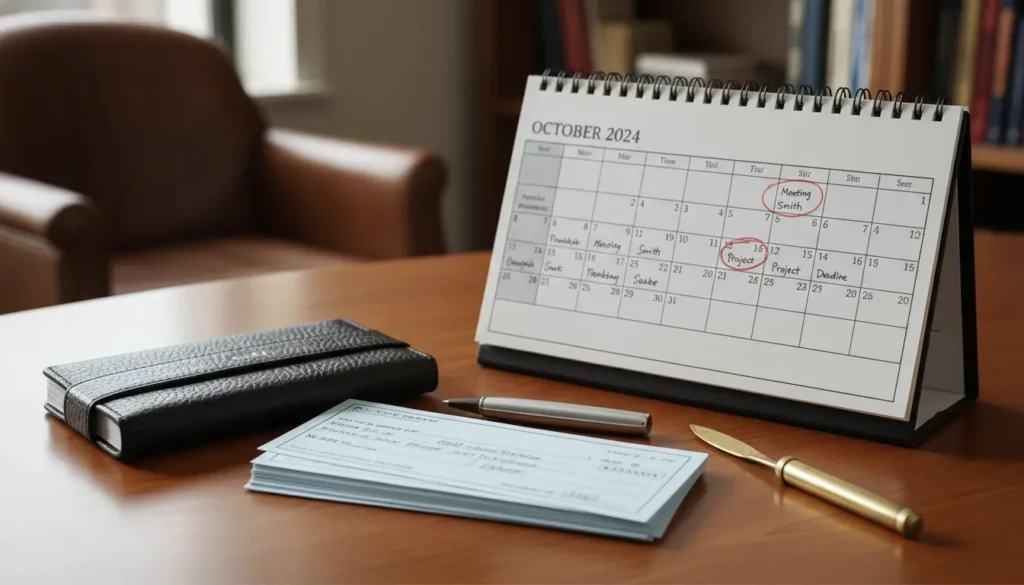
- Mark federal holidays and expected early posting days on your calendar.
- Keep a short cash buffer for months when dates move earlier or later.
- Contact SSA right away if an expected payment is missing after two business days.
In most cases, the SSA will issue a payment on the business day before a holiday or weekend. That means some months you may receive benefits earlier than the usual date.
Small real-world example: A timing surprise
Mary is a 68-year-old retiree who receives Social Security via direct deposit. She expects the payment on the second Wednesday of each month because of her birth-date grouping.
In January 2026, a federal holiday shifted that Wednesday to a bank holiday. Mary saw her deposit two business days earlier, which temporarily changed the timing of bill payments she had scheduled.
After that month she adjusted automatic bill dates to the 5th and 20th to avoid future conflict and confirmed her SSA schedule online to prevent surprises.
Case study takeaway
Small calendar shifts can have practical consequences. A brief buffer or a quick schedule tweak prevented late payments and overdraft fees for Mary.
What to do if your Social Security Payment Date changes unexpectedly
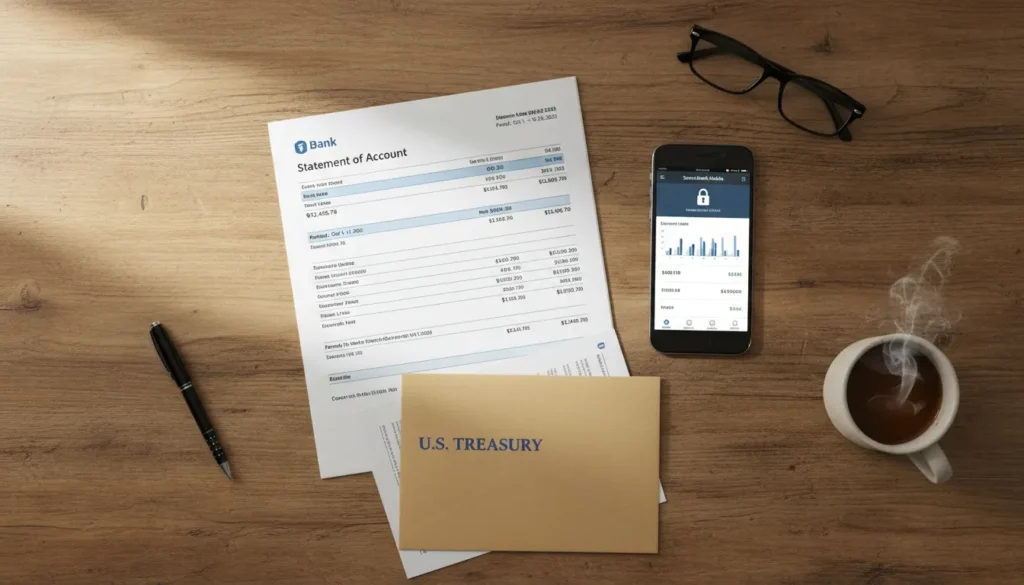
If a payment is missing or off-cycle, start by checking your my Social Security account and bank statement. These two sources often explain the change.
If you still have questions, contact SSA directly. Keep records like award letters, bank deposit notices, and dates when you first noticed a problem.
Who to contact and when
- Check my Social Security for the posted payment date first.
- Contact your bank if SSA shows a payment but your balance doesn’t reflect it after two business days.
- Call SSA (or visit a local office) if neither account shows the payment two to three business days after the SSA release date.
Checklist and action items for 2026
- Verify your payment schedule in your SSA online account.
- Switch to direct deposit if you do not already use it.
- Create a 5–10 day cash buffer for months with shifted dates.
- Update automatic payments and bill dates to avoid earlier-than-expected deposits.
- Keep contact info for your bank and SSA handy for quick resolution.
Understanding the rules and preparing ahead will reduce stress around Social Security payment dates in 2026. Small planning steps make timing issues manageable and prevent avoidable financial hiccups.